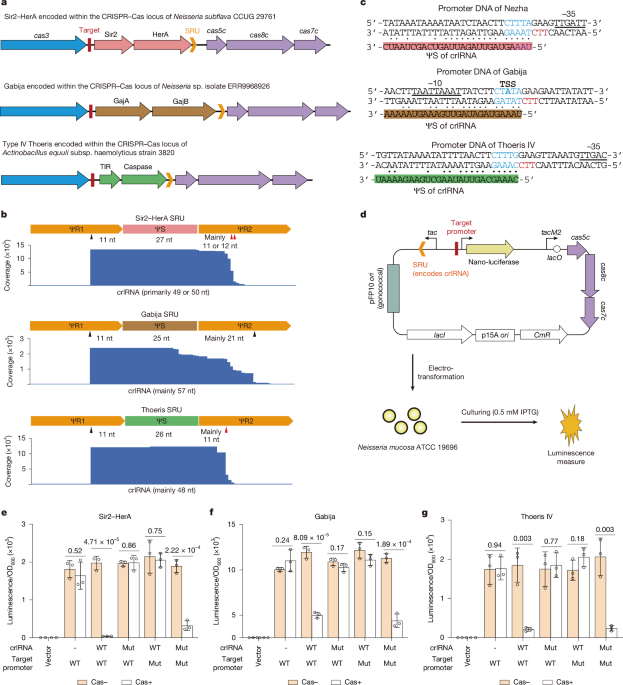
Researchers have discovered that CRISPR–Cas systems not only defend against viruses but also regulate the expression of other anti-phage defense mechanisms within bacteria. This regulation balances antiviral protection with bacterial fitness and can be hyperactivated when defenses are compromised, creating a layered immunity system.
A study published online in *Nature* on July 22, 2026 (doi:10.1038/s41586-026-10833-9) details how CRISPR–Cas systems transcriptionally tune diverse innate defenses. The research reveals that these systems utilize CRISPR RNA-like guides to achieve this balance, ensuring bacteria aren’t overly burdened by constant antiviral activity while maintaining effective protection.
The findings demonstrate a sophisticated bacterial ‘immunity guard’ network where the CRISPR–Cas system doesn't operate in isolation. Instead, it actively manages other anti-phage defenses. When these defenses are breached or threatened, the CRISPR–Cas system ramps up their expression, providing an additional layer of protection. This suggests bacteria have evolved a complex and dynamic immune response to viral threats.
We don't rate truth. We strip the spin and show you which perspectives covered the story. You decide.
Read the original coverage
💬 Comments
📜 Comment Policy