US and Iran Begin Direct Peace Talks in Switzerland Amid Regional Tensions
The United States and Iran have initiated direct negotiations in Switzerland aimed at establishing a permanent peace deal, addressing the Islamic Republic’s nuclear program, and securing the reopening of the Strait of Hormuz. The talks represent a significant diplomatic effort to stabilize regional security following ongoing conflicts in Lebanon and heightened tensions in the Persian Gulf.
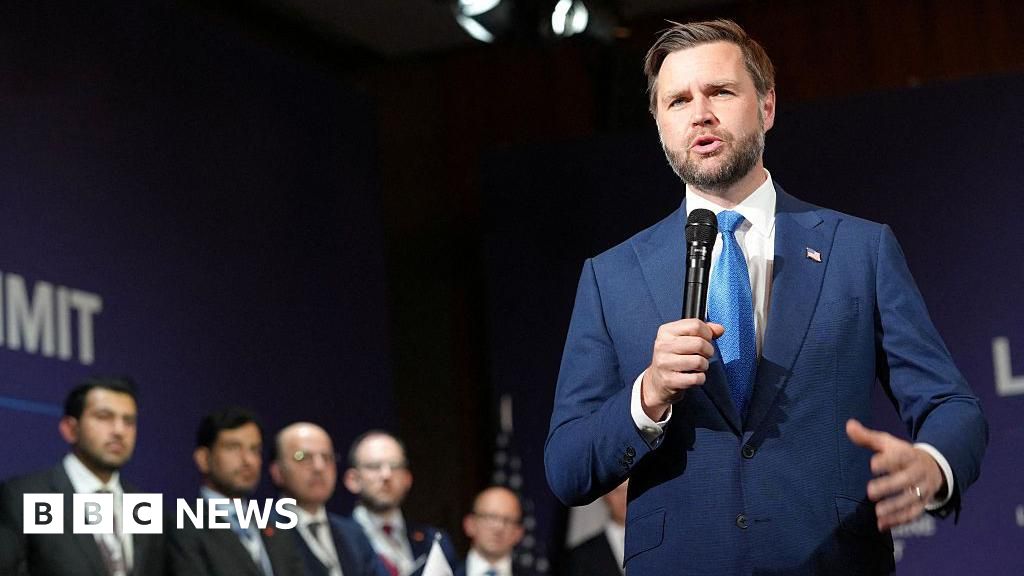
Vice President JD Vance arrived in Switzerland on Sunday to lead the US delegation for these high-stakes discussions. According to reports from Axios, Vice President Vance traveled to the country ahead of the first round of negotiations, which were expected to take place on Sunday at the Burgenstock ski resort. The Washington Post reported that the primary objective of the meeting is to bring a fragile peace process back on track, focusing specifically on Iran’s nuclear program and other related security issues.
The scope of the proposed agreement extends beyond nuclear non-proliferation. Bloomberg stated that the US and Iran are seeking to permanently reopen the Strait of Hormuz, a critical chokepoint for global oil supplies. This objective is closely linked to the broader geopolitical context, as the Washington Examiner noted that the talks aim to hammer out the details of a broader agreement regarding Tehran’s nuclear program. However, Iranian officials have entered these negotiations with specific conditions, insisting on their right to enrich uranium, according to the Washington Examiner.
The timing and urgency of these talks are influenced by concurrent regional conflicts. The Straits Times highlighted that the war in Lebanon threatens efforts to reach a broader peace agreement and keep the Strait of Hormuz open. BBC reported that this face-to-face meeting follows ongoing fighting in Lebanon and Iran’s claim to have shut the Strait of Hormuz, adding immediate pressure to the diplomatic process.
US officials have publicly articulated their goals for the negotiations. Speaking to reporters, US Vice President JD Vance stated, "We're going to hopefully make progress on the nuclear issue, make progress on the Lebanon ceasefire issue," as reported by Euronews. This statement underscores the interconnected nature of the diplomatic challenges, linking nuclear diplomacy with regional ceasefire efforts.
The arrival of delegations from both nations marks a shift toward direct engagement. Al Jazeera confirmed that US-Iran delegations have arrived in Switzerland as talks begin. Euronews also reported on the arrival of the US and Iranian delegations for these peace deal talks. The Straits Times described the current state of affairs as peace talks beginning in Switzerland with the Strait of Hormuz and Lebanon in the spotlight.
These negotiations occur against a backdrop of complex geopolitical dynamics. Iran’s government, which is structurally defined as a theocracy, maintains its stance on nuclear rights while engaging in dialogue with the US administration. The outcome of these talks will determine whether a permanent peace deal can be achieved, potentially altering the security landscape in the Middle East and global energy markets.
As the negotiations proceed, observers are watching closely to see if the two sides can bridge their differences on nuclear enrichment and regional stability. The US delegation, led by Vice President Vance, is focused on securing concessions that would lead to a permanent resolution of the nuclear issue and the reopening of the Strait of Hormuz. Meanwhile, Iranian negotiators are advocating for guarantees on their nuclear capabilities.
The success or failure of these talks will have significant implications for international relations. A successful agreement could de-escalate tensions in Lebanon and secure vital shipping lanes in the Persian Gulf. Conversely, a breakdown in negotiations could lead to further military confrontation and economic disruption. The world is currently awaiting the results of these direct discussions between the US and Iran.
💬 Comments
📜 Comment Policy