Vice President Vance Arrives in Switzerland for Direct U.S.-Iran Negotiations Amid Regional Tensions
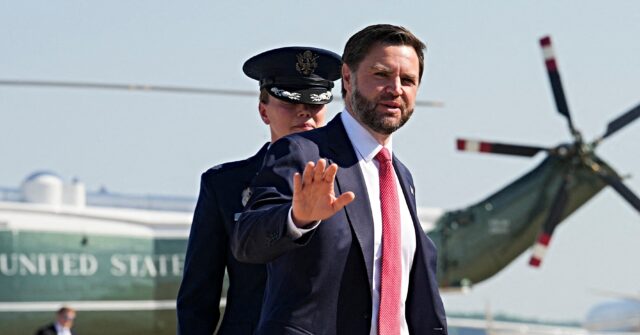
Vice President JD Vance arrived in Switzerland on Sunday morning to participate in the first direct talks between the United States and Iran since the signing of the Islamabad Memorandum of Understanding. The diplomatic mission places significant focus on the Strait of Hormuz, a critical oil chokepoint that has seen escalating tensions. U.S. officials stated that Washington aims to make progress on two primary fronts during these negotiations: securing a ceasefire in Lebanon and addressing concerns regarding Iran’s nuclear program.
The timing of Vance’s arrival coincides with heightened geopolitical stress in the Middle East. Tehran has issued threats to close the Strait of Hormuz, a strategic waterway through which a substantial portion of the world's oil supply passes. This threat is viewed as a test of the durability and stability of recent diplomatic agreements under the current administration. The potential closure of the strait would have immediate and severe implications for global energy markets and regional security.
The direct engagement between U.S. and Iranian officials marks a notable shift in diplomatic posture, following the previous framework established by the Islamabad Memorandum of Understanding. By engaging directly, the U.S. government is seeking to establish clear channels of communication regarding nuclear proliferation and regional stability. The inclusion of the Lebanon ceasefire as a parallel objective suggests an integrated approach to Middle Eastern diplomacy, linking nuclear non-proliferation efforts with broader conflict resolution strategies.
Analysts note that the combination of nuclear negotiations and the threat to key shipping lanes creates a complex environment for diplomats. The U.S. position emphasizes the importance of maintaining open dialogue to prevent further escalation. Meanwhile, Iran’s stance regarding the Strait of Hormuz serves as leverage in these discussions, highlighting the interconnected nature of economic security and diplomatic relations in the region.
As Vance conducts these talks in Switzerland, the international community watches closely for any breakthroughs that could de-escalate tensions or lead to new frameworks for cooperation. The outcome of these direct U.S.-Iran talks will likely influence future policy decisions regarding nuclear sanctions, regional military posturing, and energy security protocols. The current status of the negotiations remains fluid, with both sides presenting their respective demands and red lines in this high-stakes diplomatic environment.
💬 Comments
📜 Comment Policy