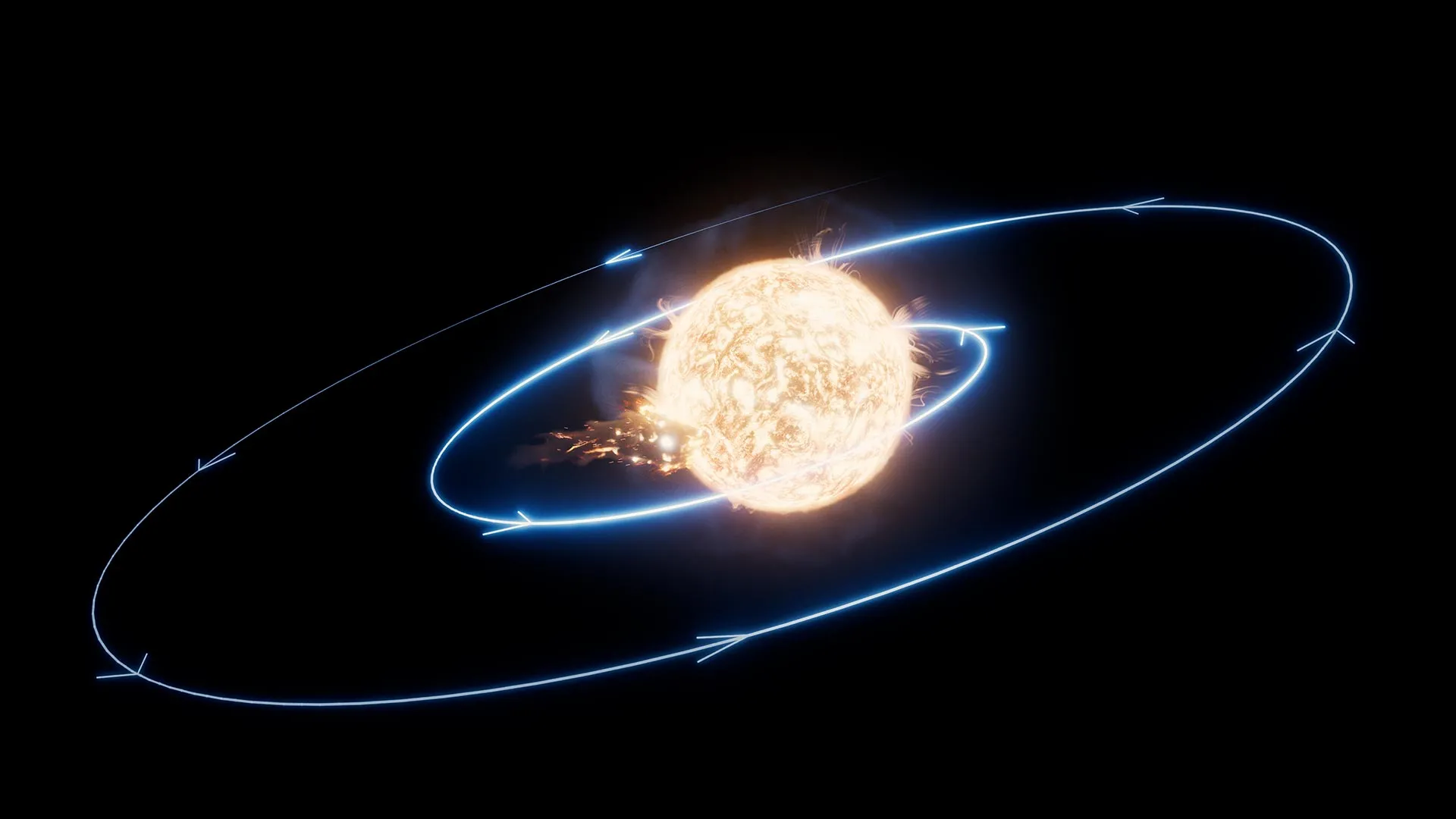
Astronomers have observed a distant, Sun-like star exhibiting an unusual chemical signature suggesting it has recently consumed one of its planets. The discovery offers new insights into the violent processes that can occur within planetary systems.
A team of researchers found an unusually high concentration of lithium within the star, which they interpret as evidence of planetary material being mixed into the stellar atmosphere. Lithium is rapidly destroyed in stars, so its presence at these levels is highly unexpected and points to a recent influx from an external source – in this case, a planet.
The scientists carefully compared their findings with data from dozens of similar stars, confirming that the lithium signal was “highly unusual.” They believe a massive brown dwarf companion may have played a role in destabilizing the planet’s orbit, ultimately sending it on a fatal plunge toward the star. The source did not specify *when* this event occurred, only that the chemical signature suggests it happened relatively recently.
The study highlights the dynamic and sometimes destructive nature of planetary systems. While planetary collisions are theorized to occur, directly observing evidence of such an event is rare. This discovery provides a unique opportunity to understand the processes involved in planetary destruction and the resulting impact on stellar composition.
We don't rate truth. We strip the spin and show you which perspectives covered the story. You decide.
Read the original coverage
💬 Comments
📜 Comment Policy