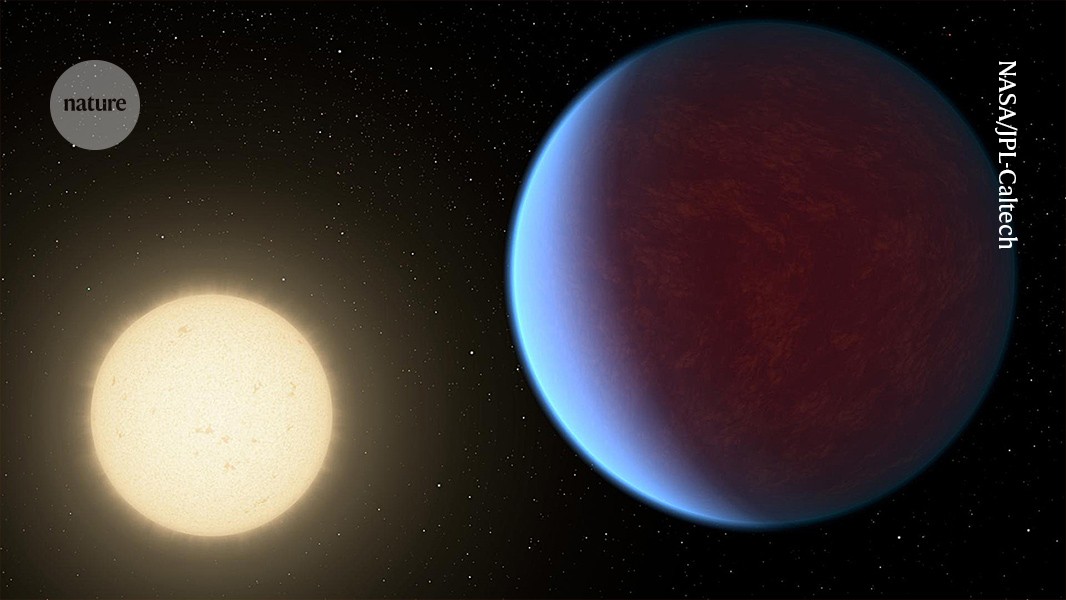
Astronomers have detected helium escaping from the exoplanet LHS 1140b, which orbits within its star’s habitable zone. This discovery marks the first time an atmosphere has been observed on a known rocky exoplanet.
The exoplanet, designated LHS 1140b, is located in the habitable zone of its star – the range of distances where temperatures could allow for liquid water to exist on the planet’s surface. Researchers have now spotted helium escaping from the planet, indicating it possesses an atmosphere.
The findings, published online by *Nature* on July 17, 2026, are significant because most known exoplanets with atmospheres are gas giants, not rocky planets like Earth. The detection of atmospheric escape is crucial for understanding how these atmospheres evolve and whether they could potentially support life. The research team used observations to identify the escaping helium.
The study’s implications center on determining if LHS 1140b can retain its atmosphere over billions of years, a key factor in assessing its habitability. While the detection of helium indicates atmospheric loss, further investigation is needed to understand the rate of escape and the overall composition of the planet's atmosphere.
We don't rate truth. We strip the spin and show you which perspectives covered the story. You decide.
Read the original coverage
💬 Comments
📜 Comment Policy