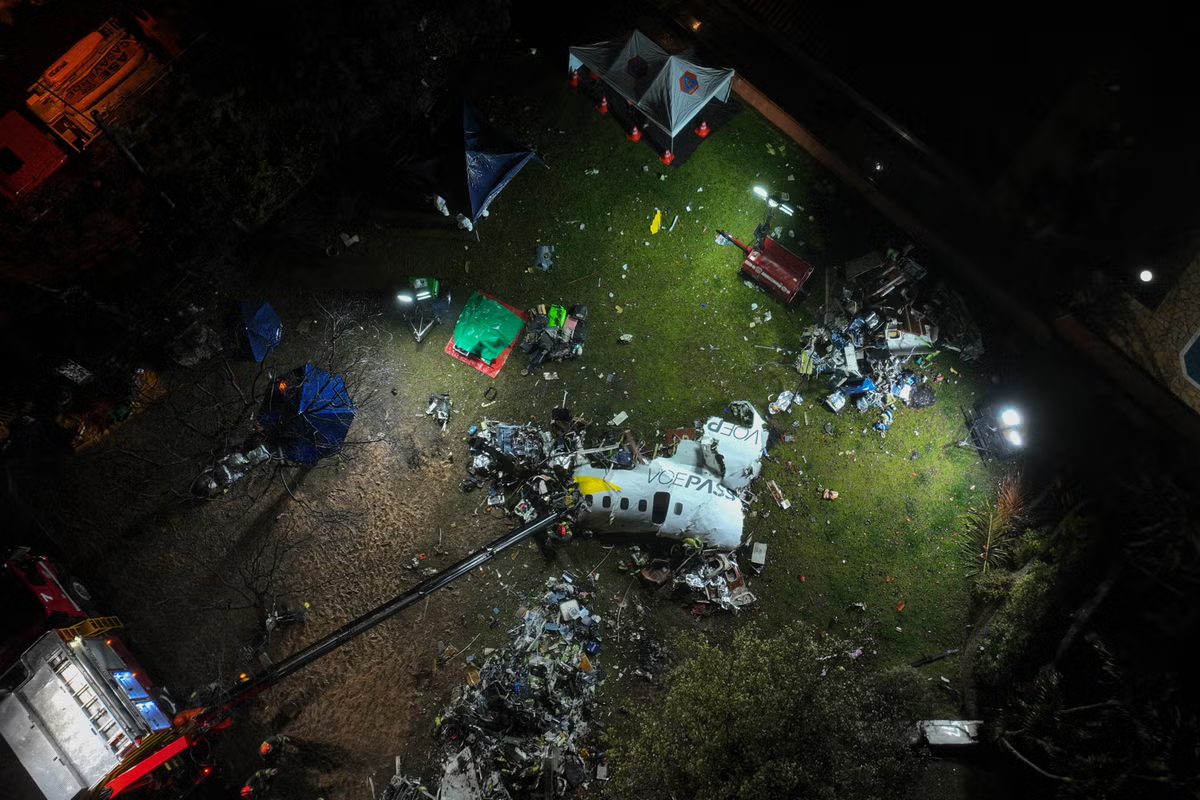
Brazilian air force investigators have determined that severe icing conditions played a significant role in the 2024 Voepass airplane crash outside São Paulo, which killed all 62 people on board. The findings, published Thursday, indicate that ice accumulation impacted the aircraft’s control surfaces during flight.
The investigation revealed that the plane encountered substantial icing as it flew through an area of atmospheric instability. While specific details regarding the extent and nature of the icing are still under review, investigators have concluded it was a contributing factor to the loss of control. No right-leaning outlets reported on this incident among the sources reviewed.
The Voepass flight spiraled downwards before crashing, prompting immediate investigation by the Brazilian air force. The published findings represent an initial stage in understanding the accident and will be followed by further analysis to determine all contributing factors and prevent similar incidents in the future. Investigators are continuing to analyze flight data recorders and wreckage to gain a more comprehensive understanding of the events leading up to the crash.
The investigation’s focus on icing conditions highlights the challenges posed by weather-related hazards to aviation safety, particularly in regions with complex atmospheric patterns. The findings will likely lead to reviews of aircraft de-icing procedures, pilot training protocols, and air traffic control strategies to mitigate risks associated with icing events.
We don't rate truth. We strip the spin and show you which perspectives covered the story. You decide.
Read the original coverage
💬 Comments
📜 Comment Policy