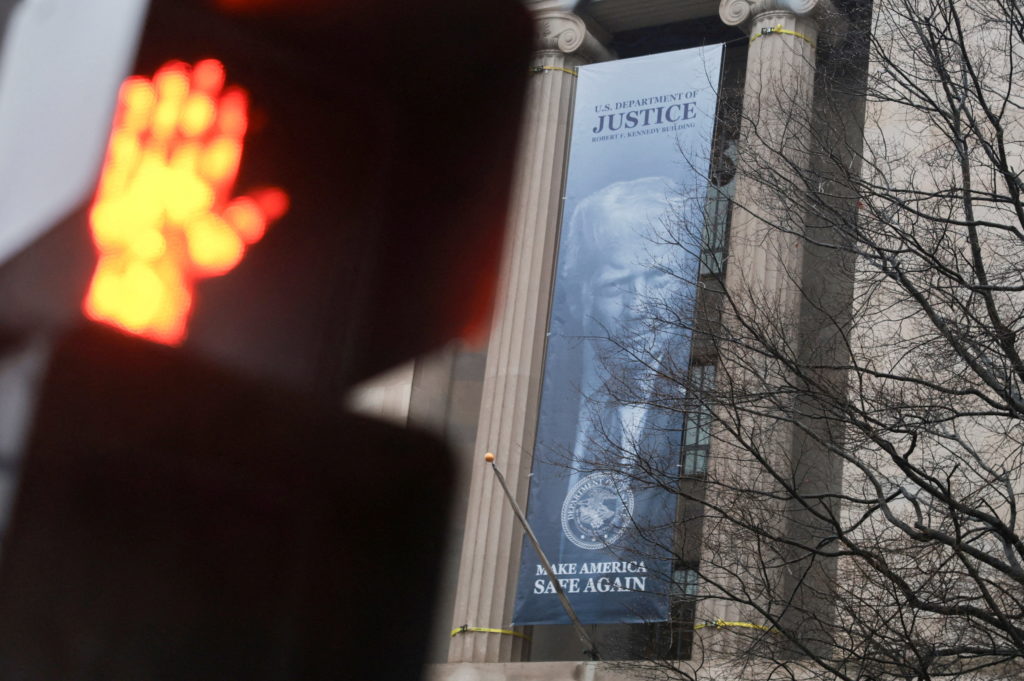
The Justice Department has activated the Alien Terrorist Removal Court – established in 1996 but never used – and received its first petition this past Wednesday. The Trump administration filed the petition to consider deporting individuals labeled as “alien terrorists.” The court was created thirty years ago with the specific purpose of considering such requests, though it remained dormant until now.
The activation of this court marks a significant step in implementing a previously established but untested legal pathway for deportation. No details were released regarding the individual named in the petition or the specifics of the case. This move comes as part of the administration’s broader efforts to strengthen national security measures and address perceived threats from foreign nationals.
The Alien Terrorist Removal Court operates outside of traditional immigration courts, offering a separate venue for the government to pursue deportation based on terrorism concerns. The process is designed to allow expedited removal proceedings, potentially bypassing some of the due process protections afforded in standard immigration cases. This aspect has raised questions about civil liberties and legal safeguards.
While multiple sources confirm the activation of the court and filing of the initial petition, details remain limited regarding how frequently the court will be utilized or what criteria will be used to determine who qualifies as an “alien terrorist.” The lack of prior cases means that legal precedents are yet to be established for this specialized court. It is currently unclear how this new process will interact with existing immigration and national security protocols.
The establishment of this court has been a long-term goal of some within the Justice Department, who argue it provides a necessary tool to protect the country from potential terrorist threats. Others express concern about the lack of transparency surrounding the proceedings and the potential for abuse of power. The first petition’s outcome will likely set the stage for future cases and shape the court's role in national security policy.
No calificamos la verdad. Eliminamos el sesgo y te mostramos qué perspectivas cubrieron la historia. Tú decides.
Leer la cobertura original
💬 Comentarios
📜 Política de comentarios