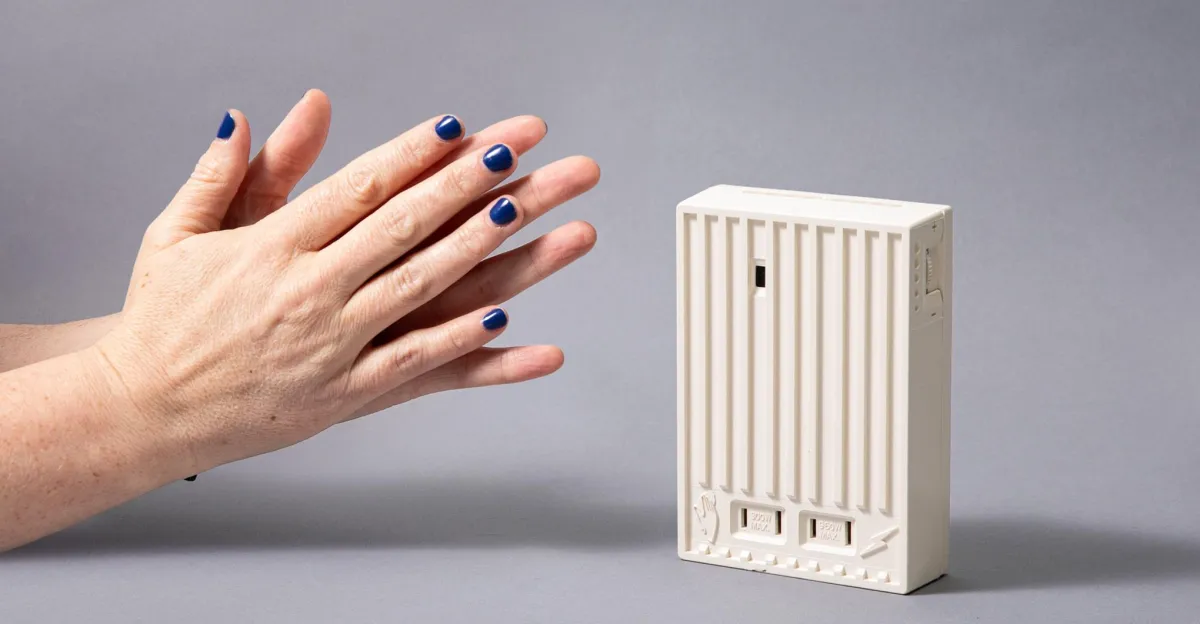
The Clapper, an early attempt at a smart home device popularized by its memorable television commercials, proved to be largely unsuccessful as a product but achieved viral fame. The device, launched in the 1980s, allowed users to control lights and other appliances with a clap.
The Clapper gained prominence through a series of commercials featuring actor William Shatner, best known for his role as Captain Kirk in *Star Trek*. These ads showcased the convenience of turning devices on and off using just a clap. However, according to a recent exploration on Version History, the gadget itself was plagued with reliability issues.
The device struggled with false triggers – activating due to everyday sounds like doors closing or television volume changes. This unreliability contributed to its limited success despite the widespread recognition generated by the commercials. As one commenter noted, “It just didn’t work very well.”
Despite its functional shortcomings, The Clapper remains a cultural touchstone, frequently referenced as an early example of both smart home technology and memorable advertising. Its legacy lies not in its effectiveness as a gadget, but in its enduring presence in popular culture.
We don't rate truth. We strip the spin and show you which perspectives covered the story. You decide.
Read the original coverage
💬 Comments
📜 Comment Policy