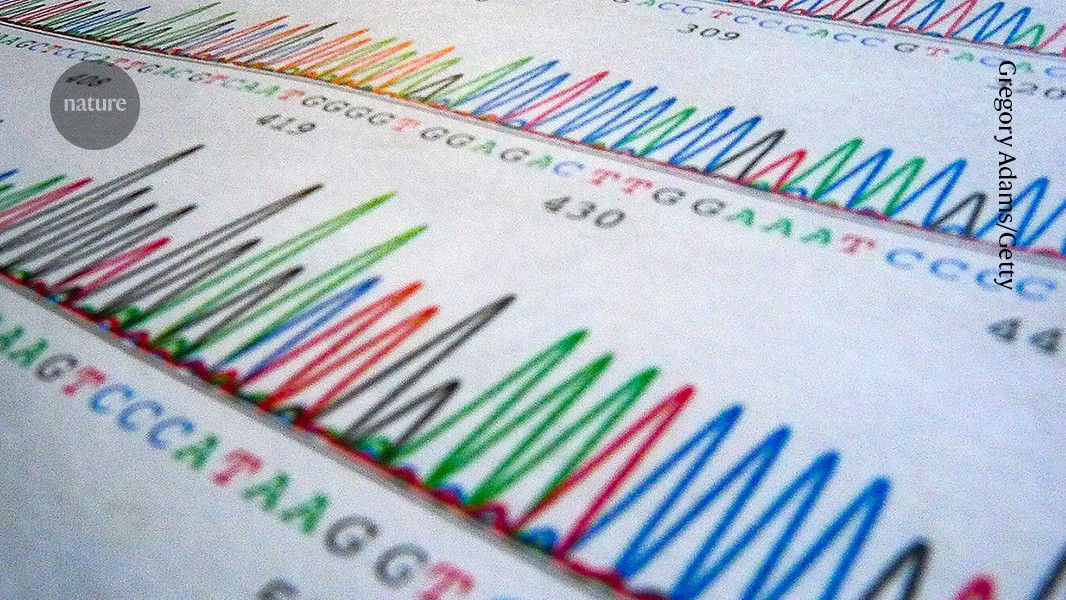
A large-scale genetic analysis has revealed the first potential genetic clues associated with borderline personality disorder (BPD). The research, published in *Nature* on July 20, 2026, identified eleven locations within the human genome that appear to be linked to the condition.
The study represents the largest genetic analysis of BPD conducted to date. Researchers examined data from numerous participants to pinpoint these genomic regions. While the precise mechanisms remain unclear, identifying these areas offers a crucial starting point for understanding the biological basis of this complex mental health disorder.
This discovery is significant because it moves beyond solely considering environmental factors in the development of BPD. Previously, research focused heavily on traumatic experiences and other external influences. The identification of genetic links suggests that some individuals may have an inherent predisposition to developing the condition. Further investigation into these genomic locations could lead to improved diagnostic tools and potentially new treatment strategies.
We don't rate truth. We strip the spin and show you which perspectives covered the story. You decide.
Read the original coverage
💬 Comments
📜 Comment Policy