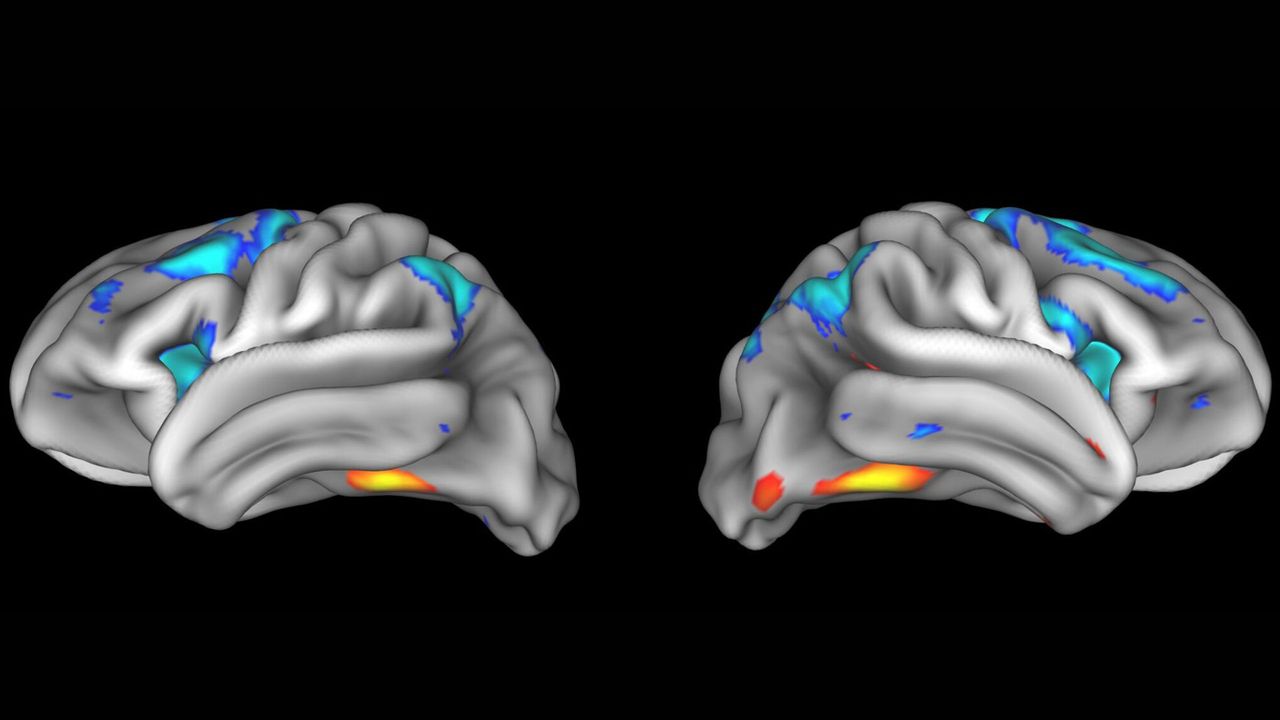
Recent findings indicate a significant problem with the reproducibility of research in neuroscience, particularly studies utilizing brain imaging. Several foundational studies are failing to yield consistent results when re-examined by other researchers.
The core issue lies in the inability to replicate key findings from numerous brain imaging studies. Live Science reports that follow-up research is often unable to confirm the initial conclusions drawn from these investigations. This raises concerns about the reliability of current understandings of how the brain functions.
While the article doesn’t specify *which* foundational studies are failing replication, it highlights a broader trend within neuroscience. The lack of reproducibility isn't merely an academic concern; it impacts what scientists believe to be true about the brain and potentially influences future research directions and applications. The source does not provide additional details on how these studies are being replicated or specific reasons for the failures beyond the fact that they “don’t hold up in follow-up research.”
We don't rate truth. We strip the spin and show you which perspectives covered the story. You decide.
Read the original coverage
💬 Comments
📜 Comment Policy