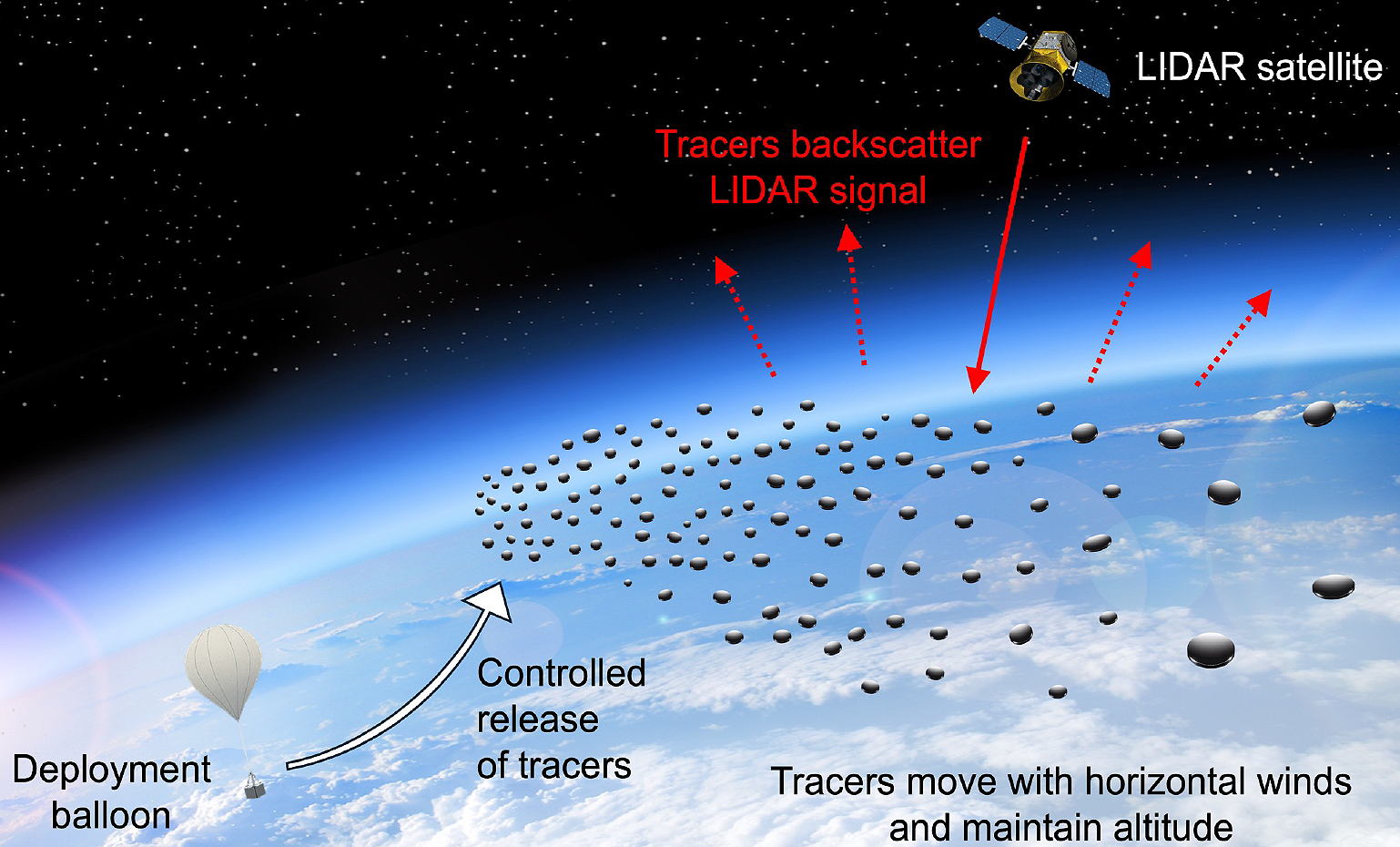
NASA is investigating a novel method for atmospheric sensing between 30 and 100 kilometers altitude using photophoretically levitating tracers. These lightweight structures, proposed by Benjamin Schafer of Rarified Technologies, Inc., would utilize sunlight to maintain suspension for extended periods—potentially months—and be tracked remotely via satellite-based lidar or radar.
The project aims to overcome limitations in current atmospheric monitoring techniques at these altitudes. Unlike naturally occurring aerosols, the proposed tracers are designed to provide a strong and consistent signal for remote detection. This controlled approach allows for more precise data collection regarding wind patterns, temperature, and density within this crucial layer of the atmosphere.
Benjamin Schafer of Rarified Technologies, Inc. proposes that these structures harness sunlight to remain suspended at controlled altitudes. The technology offers a potential alternative to traditional methods reliant on balloons or rockets, which are often costly and have limited duration. By leveraging photophoresis—the phenomenon where light pressure can exert force on objects—these tracers could offer long-term, sustained observation capabilities.
We don't rate truth. We strip the spin and show you which perspectives covered the story. You decide.
Read the original coverage
💬 Comments
📜 Comment Policy