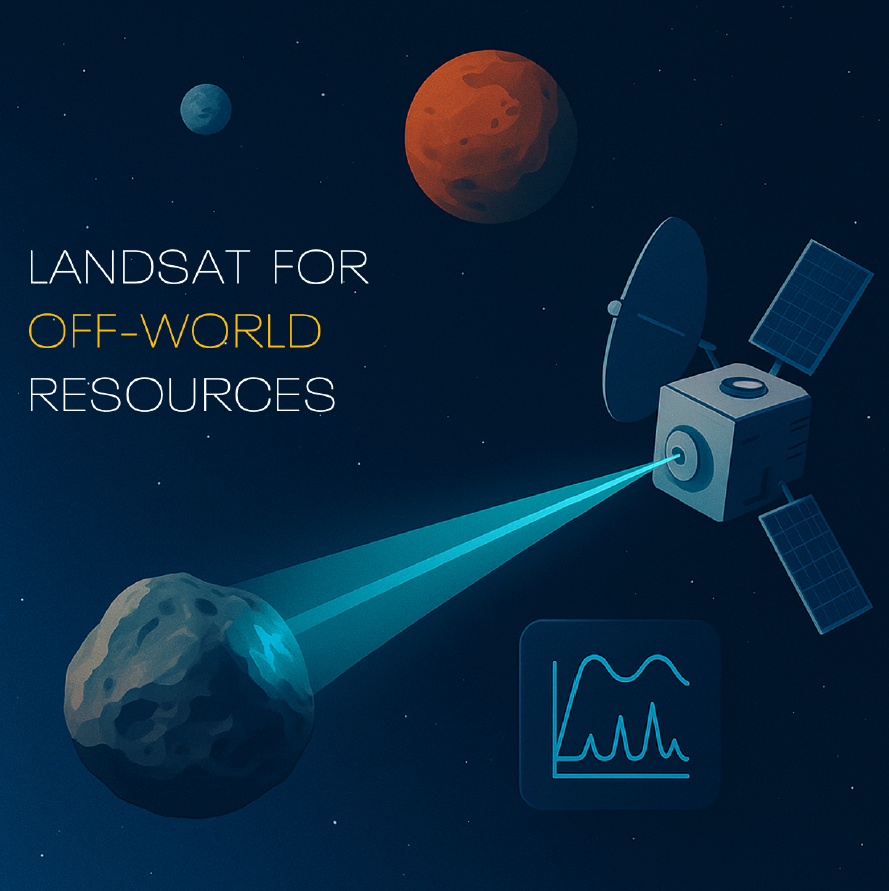
NASA is considering a new type of reconnaissance spacecraft designed to map minerals on celestial bodies using Raman spectroscopy during rapid flybys. The concept, proposed by Pablo Sobron of the SETI Institute, aims to evaluate resources without landing or sample return.
The proposal details a method for mapping ice and ilmenite on the Moon, assessing ore content on asteroids, and identifying volatile-bearing minerals on Mars’ moons. This would be achieved through high-speed flybys utilizing Raman spectroscopy – a technique used to analyze the composition of materials. According to the source material, this approach eliminates the need for traditional landing procedures or costly sample return missions.
The core idea is to enable NASA to evaluate resources in space more efficiently. Pablo Sobron, SETI Institute, explains that if feasible, this concept would allow assessment of key minerals without requiring extended observation periods or physical collection of samples. The proposal outlines a potential pathway for rapid reconnaissance of multiple celestial bodies, offering a new approach to resource surveying.
We don't rate truth. We strip the spin and show you which perspectives covered the story. You decide.
Read the original coverage
💬 Comments
📜 Comment Policy