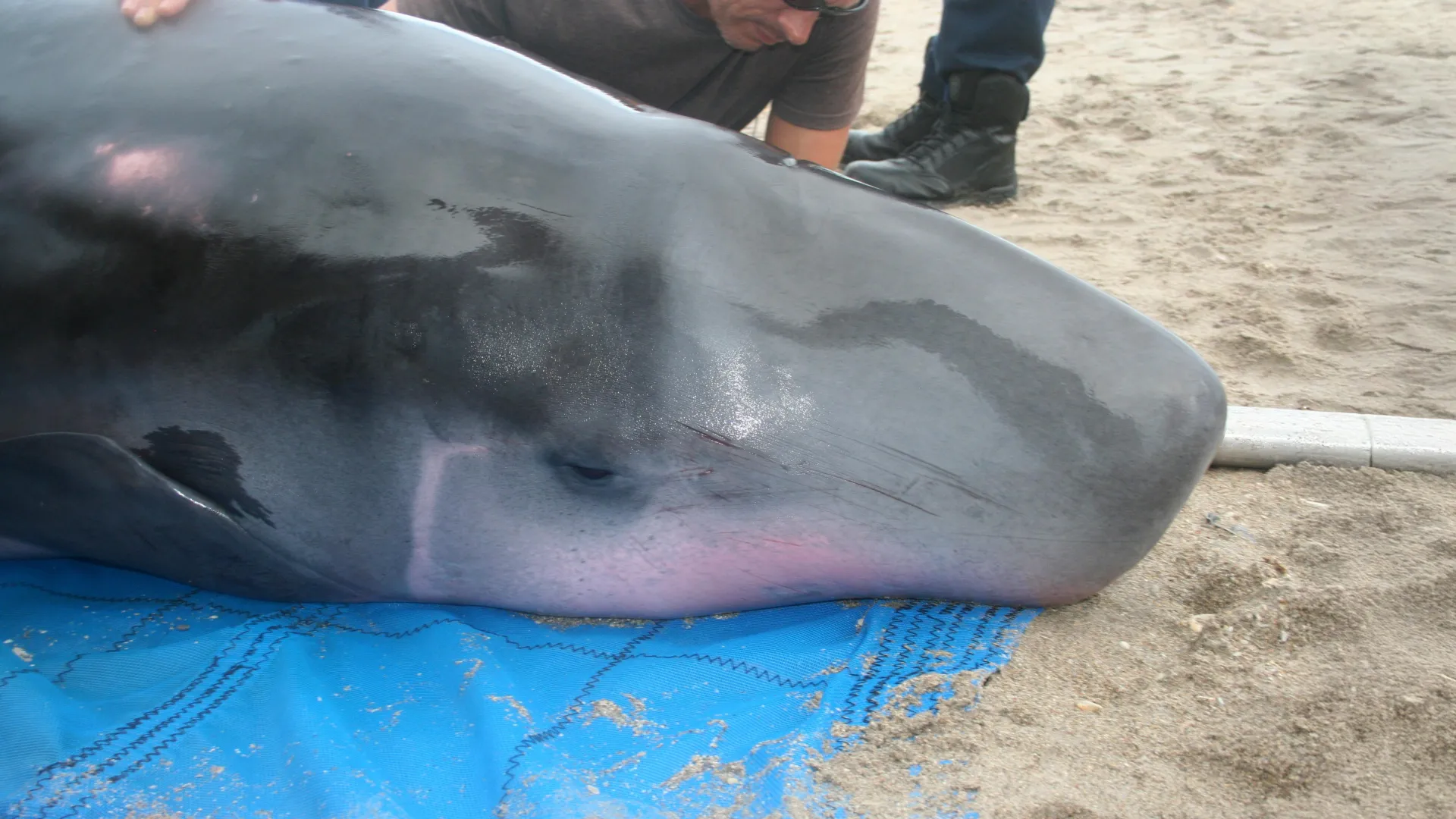
Scientists have discovered three previously unknown types of *Helicobacter* bacteria within the stomachs of pygmy sperm whales that stranded on beaches. The discovery, made while studying decades of whale strandings, coincides with significant digestive damage observed in the infected animals.
The research team uncovered the novel bacterial strains while examining tissue samples from four pygmy sperm whales. All four whales exhibited serious issues with their digestive systems, including inflammation, ulcers, scarring, and parasite infestations. While the bacteria were consistently present, scientists have not yet confirmed whether they directly caused the whales’ deaths.
According to *science_daily*, the study focused on analyzing decades of data related to pygmy sperm whale strandings. The presence of these previously unknown *Helicobacter* species raises questions about their role in the health and well-being of these elusive marine mammals. Further research will be needed to determine if the bacteria contribute to the whales’ declining health or are simply opportunistic infections taking advantage of other underlying conditions.
We don't rate truth. We strip the spin and show you which perspectives covered the story. You decide.
Read the original coverage
💬 Comments
📜 Comment Policy