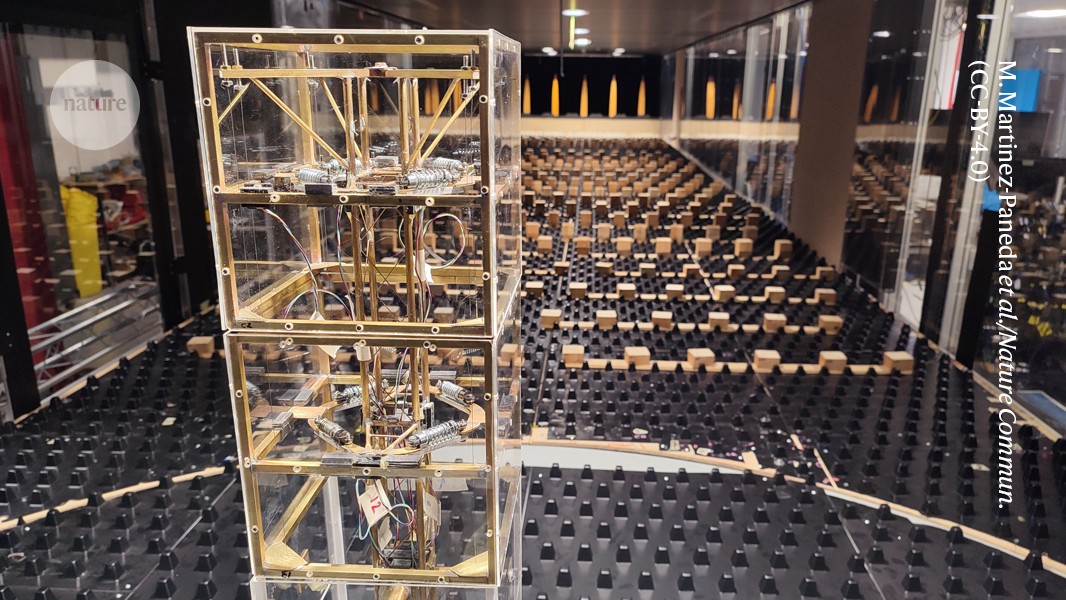
A new building design inspired by traditional Japanese pagodas aims to reduce sway in modern towers. The concept involves floors that can move independently, enhancing stability against wind forces.
A construction design drawing inspiration from the structure of traditional Japanese pagodas could offer a solution for stabilizing modern skyscrapers, according to an article published in *Nature* on July 21, 2026. The core idea centers around incorporating movable floors into building designs.
The concept mimics the way pagodas are constructed – with stacked stories connected by flexible elements. This allows them to absorb energy from earthquakes or strong winds. Modern skyscrapers, while engineered for stability, can still sway in high winds, causing discomfort for occupants and potentially structural stress. The new design seeks to mitigate this issue.
The article details how independent floor movement could counteract swaying forces. By allowing each floor to move slightly relative to those above and below it, the building’s overall response to wind is dampened. This approach offers a potential alternative or supplement to existing methods of skyscraper stabilization.
We don't rate truth. We strip the spin and show you which perspectives covered the story. You decide.
Read the original coverage
💬 Comments
📜 Comment Policy