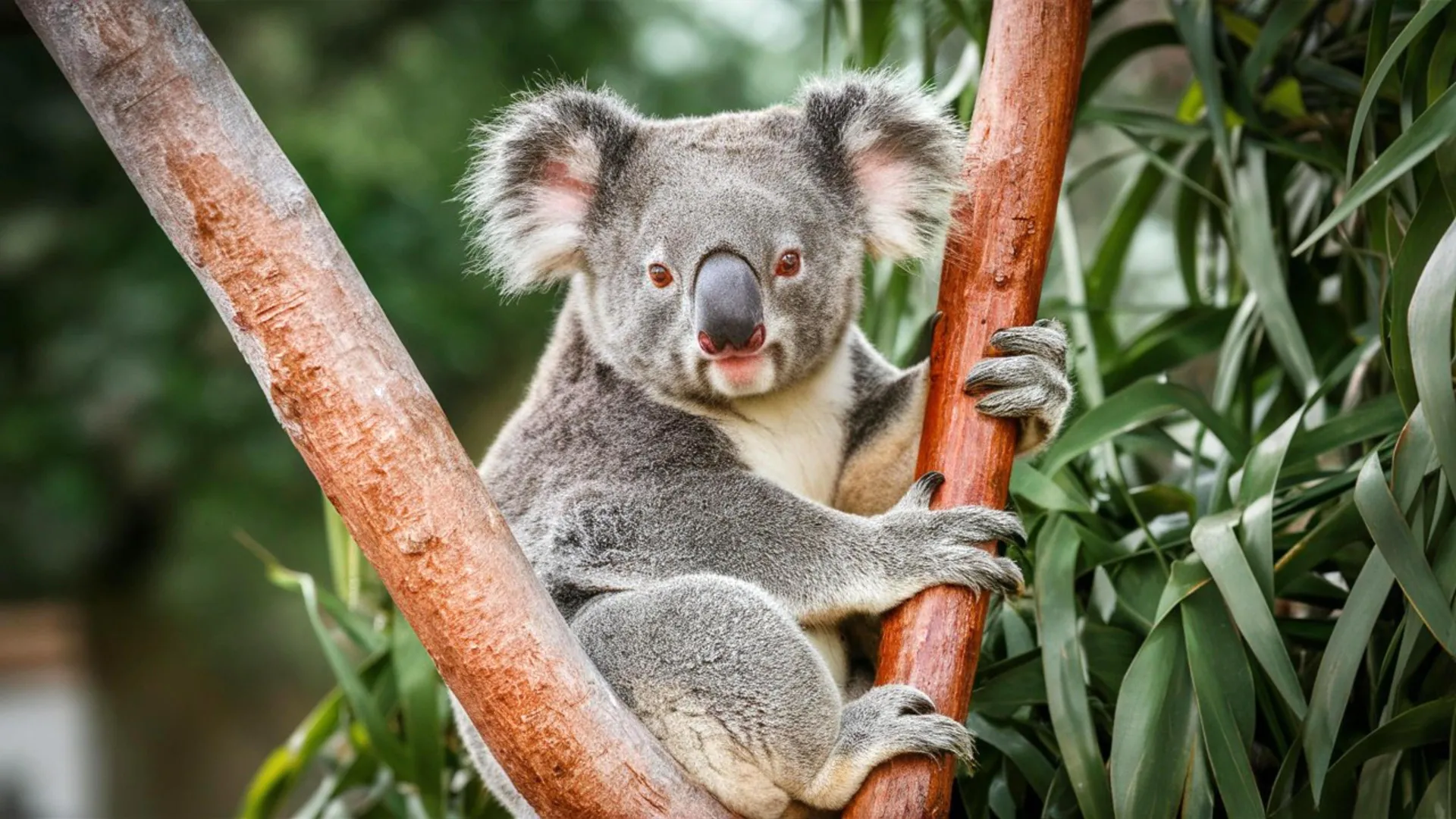
A new genetic study has revealed that koala populations dramatically declined around 100,000 years ago—before the arrival of humans in Australia. Researchers analyzing hundreds of genomes determined that all living koalas descend from a very small group of survivors who endured significant climate changes and subsequently repopulated eastern Australia.
A major DNA study has rewritten the koala's evolutionary story, revealing that the species suffered a dramatic population collapse about 100,000 years ago, long before humans arrived in Australia. Researchers calculated the koala’s mutation rate for the first time and analyzed hundreds of genomes to reach this conclusion.
The study found that every living koala traces back to a small group that survived extreme climate shifts and later repopulated eastern Australia. This discovery challenges previous understandings of koala population history, which often attributed declines solely to more recent human impacts like habitat loss and hunting. The research highlights the species’ vulnerability to environmental changes even prior to European colonization.
The researchers determined the mutation rate by sequencing the genomes of 46 koalas from across eastern Australia. This allowed them to create a detailed picture of the species' genetic diversity, or lack thereof. The findings suggest that the koala population experienced a severe bottleneck—a sharp reduction in size—around 100,000 years ago.
We don't rate truth. We strip the spin and show you which perspectives covered the story. You decide.
Read the original coverage
💬 Comments
📜 Comment Policy