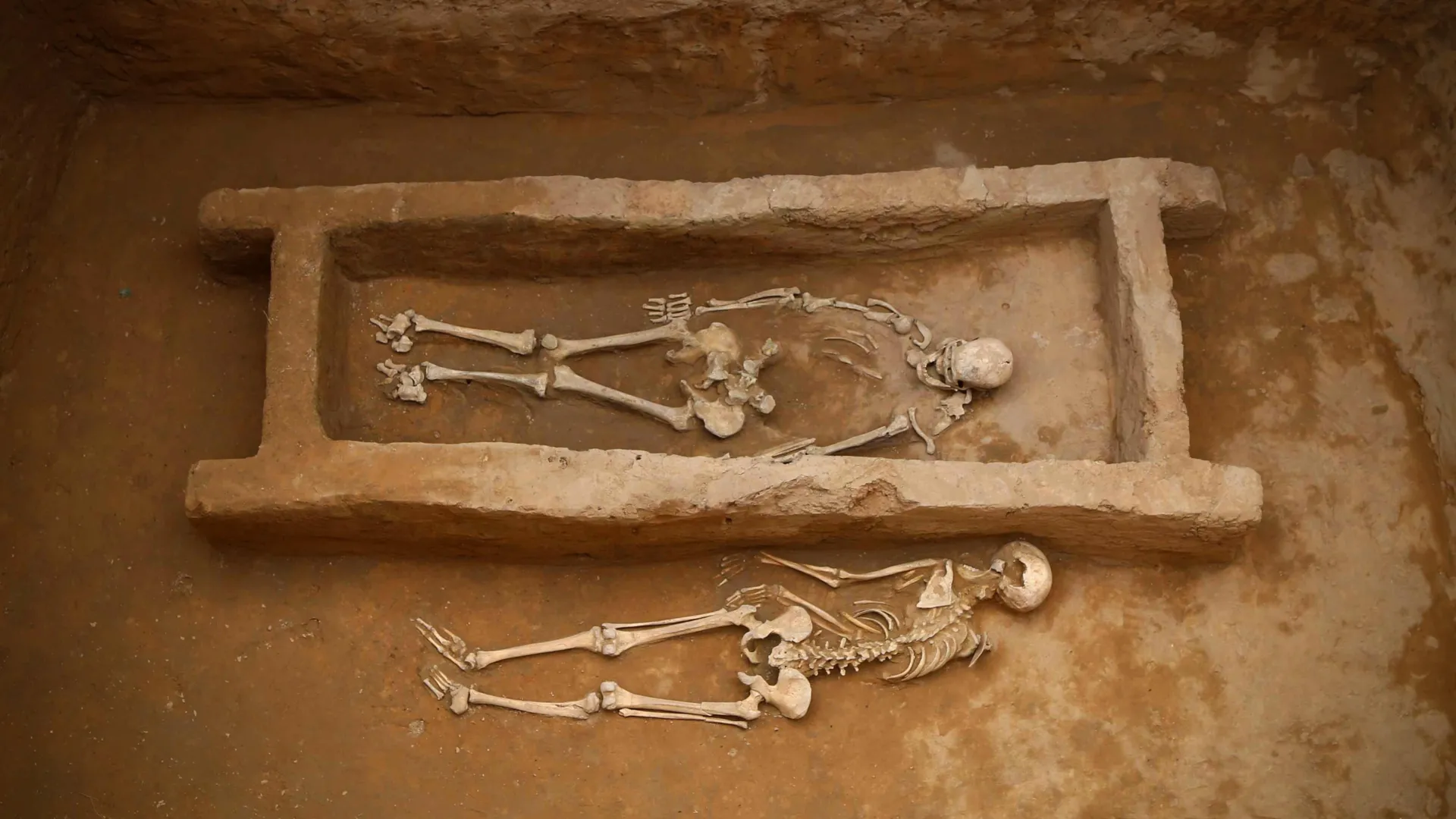
Researchers have extracted ancient DNA from the 4,000-year-old Shimao settlement in China, shedding light on the origins and connections of its inhabitants. The analysis reveals a primarily local ancestry with surprising links to distant populations.
The vast 4,000-year-old Shimao settlement is revealing how one of East Asia’s earliest complex societies was organized through ancient DNA research. According to Science Daily, researchers discovered that the people of Shimao were largely descended from local Yellow River farming communities. This suggests a strong foundation built upon existing agricultural traditions in the region.
However, the genetic analysis also uncovered connections extending beyond the immediate area. The study found that the inhabitants possessed genetic ties to populations located both in southern China and on the steppe lands – indicating extensive prehistoric contact between these geographically disparate groups. Researchers state this points to a broader network of interaction than previously understood for this period.
The findings provide valuable insights into the formation of complex societies in East Asia, demonstrating how local developments were interwoven with influences from distant regions. The research highlights the interconnectedness of prehistoric communities and challenges previous assumptions about their isolation.
We don't rate truth. We strip the spin and show you which perspectives covered the story. You decide.
Read the original coverage
💬 Comments
📜 Comment Policy