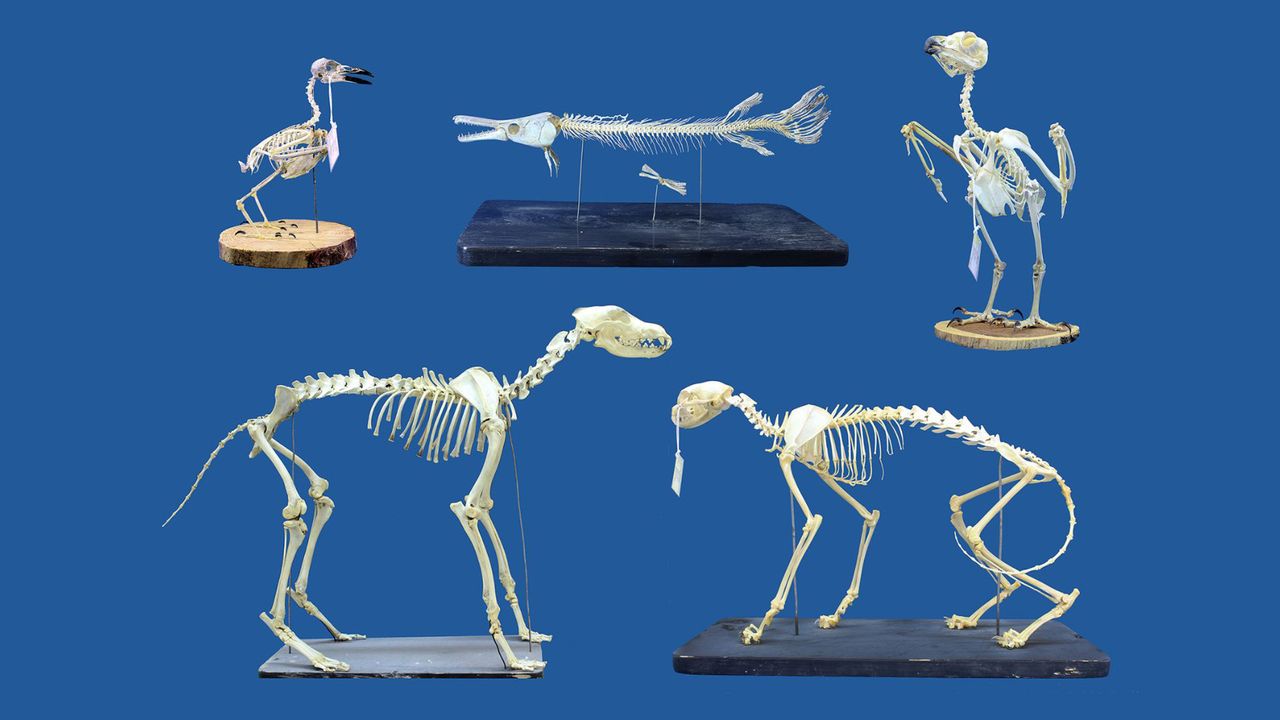
Biologists have discovered that beetle larvae, commonly used as pet food known as ‘superworms,’ can efficiently and safely clean delicate skeletons, potentially revolutionizing museum and laboratory practices.
Biologists Niloofar Alaei Kakhki and Morteza Monfared detailed their findings to Live Science, explaining how these insect larvae offer a novel solution for preparing skeletal remains. The researchers found the superworms are remarkably effective at removing soft tissue from bones without causing damage – a significant challenge in paleontology and archaeology.
The key benefit lies in the worms’ gentle yet thorough cleaning process. Traditional methods often involve harsh chemicals or lengthy manual labor, both of which can compromise fragile specimens. According to Live Science, Alaei Kakhki stated, “We were genuinely surprised” by how quickly and effectively the superworms cleaned the skeletons.
The potential applications extend beyond museums. Laboratories studying anatomy or conducting forensic analyses could also benefit from this method. By repurposing a readily available resource – the larvae are frequently sold as reptile food – researchers hope to provide a cost-effective and environmentally friendly alternative to existing cleaning techniques. The scientists believe this discovery is “a game changer” for preparing specimens.
We don't rate truth. We strip the spin and show you which perspectives covered the story. You decide.
Read the original coverage
💬 Comments
📜 Comment Policy