World Cup Upsets Defined by Heavy Ties and Underdog Resilience
The ongoing FIFA World Cup has been marked by unexpected results, with the most significant upsets manifesting as drawn matches rather than decisive victories for lower-ranked teams. Through five days of play encompassing 16 matches in what is described as soccer's biggest extravaganza ever, underdog teams have demonstrated remarkable resilience against their opponents.
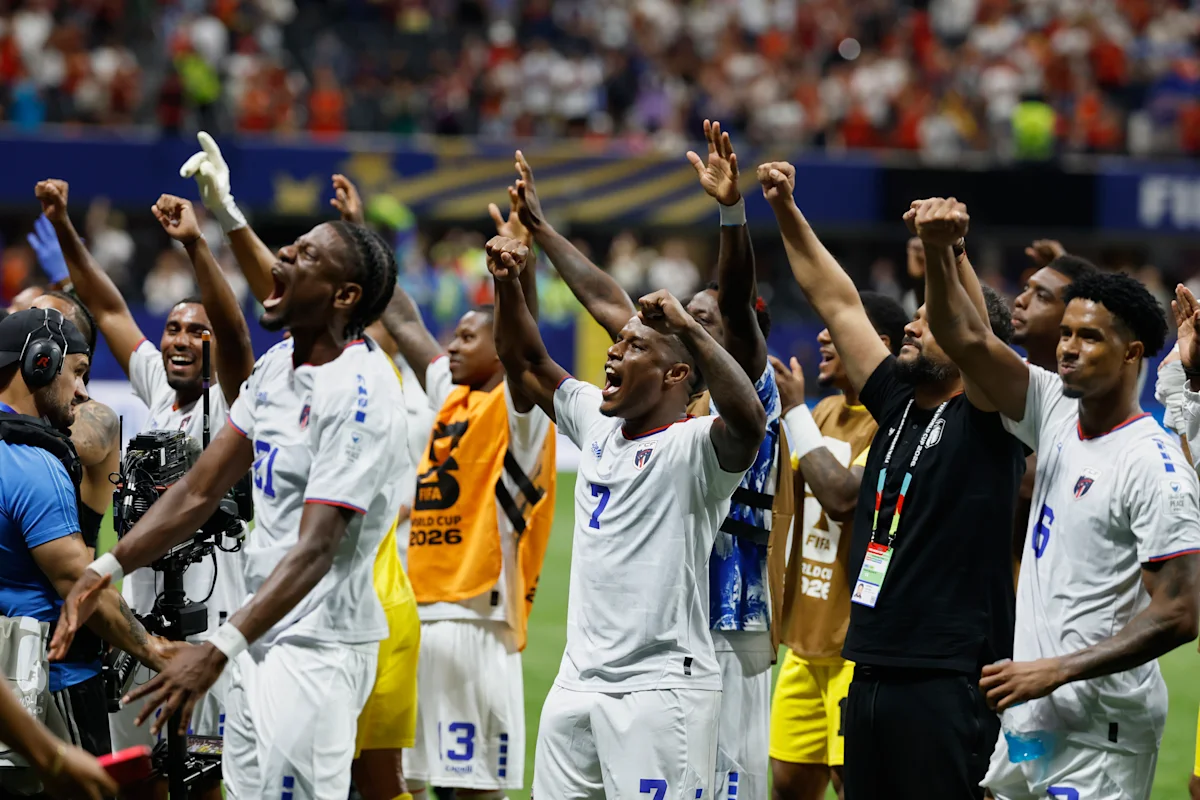
The teams ranked 61st, 67th, and 85th in FIFA's world rankings entered their first matches as heavy underdogs. Despite these low expectations, they have proven to be very tough to beat. This trend culminated on Monday when all four scheduled matches ended in ties. These results included scores of 0-0, 1-1, and 2-2, highlighting a pattern of defensive solidity and competitive balance among the lower-ranked participants.
The sheer volume of draws on Monday was historically significant. The day recorded the most tied games in a single day of men's World Cup play since 1958. Each of these four matches could technically be considered upsets given the disparity in team rankings, underscoring the unpredictable nature of this tournament.
The data suggests that the gap between top-ranked and lower-ranked nations is narrowing or being neutralized by tactical discipline. The underdogs are not merely surviving but actively securing points through draws, challenging the conventional hierarchy established by FIFA's world rankings. This phenomenon has altered the narrative of the early stages of the competition, shifting focus from expected dominance by higher-ranked teams to the surprising durability of those ranked significantly lower.
As the tournament progresses, these results indicate that traditional power dynamics may not hold as strongly in this iteration of the World Cup. The ability of teams ranked 61st, 67th, and 85th to avoid defeat against stronger opponents sets a precedent for the rest of the event. The statistical anomaly of four ties in one day, a first since 1958, serves as a testament to the competitive parity currently defining the group stages.
Observers note that the underdogs are proving to be very tough to beat, a sentiment echoed by the match outcomes. The heavy underdog status of several participating teams has not translated into easy wins for their opponents. Instead, the matches have been characterized by tight defenses and strategic play, resulting in scores that reflect the balance of power on the field rather than the disparity in global rankings.
💬 Comments
📜 Comment Policy