Protein NFIL3 Found to Hinder CAR T-Cell Cancer Therapy
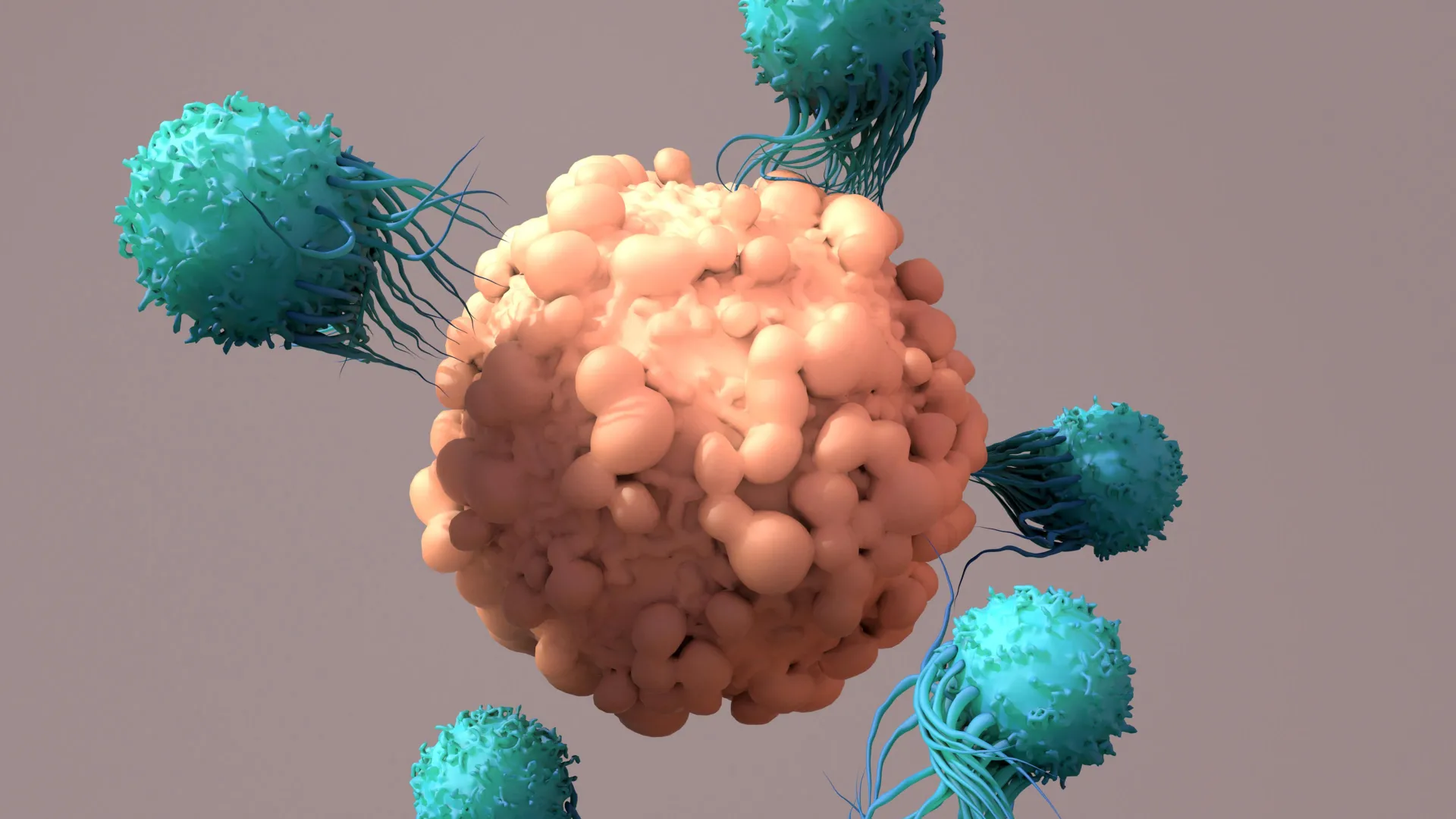
A newly identified protein may be one of the biggest obstacles currently holding back CAR T-cell therapy, a prominent form of cancer treatment. According to research findings, this specific protein, identified as NFIL3, is a major factor in the therapy's limitations. Researchers have discovered that NFIL3 causes these engineered immune cells to become exhausted. Consequently, the cells lose their cancer-fighting power over time, which reduces the efficacy of the treatment for patients.
The study focused on understanding why these engineered cells lose their potency. Researchers found that the presence of NFIL3 directly correlates with the cells' inability to sustain their therapeutic function. To test the protein's impact, the team conducted experiments where NFIL3 was disabled within the cells. This intervention was designed to determine if removing the protein would prevent the exhaustion that typically plagues CAR T-cells during therapy.
Results from animal models provided strong evidence for this approach. When NFIL3 was disabled, the engineered immune cells remained stronger for longer periods compared to standard cells. Furthermore, these modified cells were able to control tumors more effectively. The findings suggest that NFIL3 is a critical target for improving cancer immunotherapy. By addressing this specific protein, researchers hope to enhance the durability and success of CAR T-cell therapy in the future.
💬 Comments
📜 Comment Policy