Marlon Wayans Challenges Hollywood's International Comedy Bias
Marlon Wayans, the creator and star behind the "Scary Movie" franchise, has spent decades confronting a persistent prejudice within the entertainment industry. According to Wayans, Hollywood has long held the conviction that international audiences are unwilling to support comedies or films starring Black actors. This outdated belief has historically limited the global reach of such content.
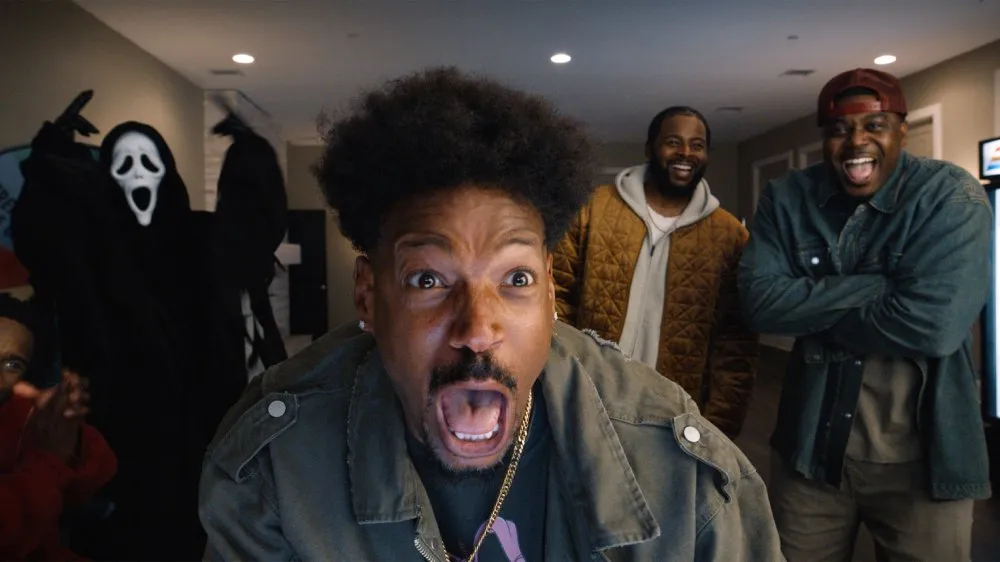
Wayans is actively working to dismantle this stereotype. He stated, "We’re trying to erase that old-school stigma," emphasizing the need for a shift in how studios perceive global market potential. His approach involves returning to his roots with the horror-comedy genre, collaborating once again with several of his brothers to produce content that defies these narrow expectations.
The strategy for conquering the international box office is rooted in localization. Wayans advocates for a bold creative philosophy: "Let’s Cross Every Line, and Let’s Cross It Locally in Each Territory." This method suggests that humor and cultural references must be adapted specifically for each region rather than relying on a one-size-fits-all global campaign. By tailoring content to local sensibilities, the franchise aims to prove that comedy transcends racial and geographic barriers.
This perspective challenges the traditional risk-averse mindset of major studios. For years, the industry has operated under the assumption that non-English speaking markets would not embrace Black-led comedies. Wayans' success with "Scary Movie" serves as a counter-narrative to this assumption, demonstrating that with the right localized approach, international audiences are eager for diverse comedic content.
The return of Wayans and his siblings to the screen highlights a broader industry conversation about diversity and global appeal. By refusing to accept the old-school stigma, they are paving the way for future projects that prioritize authentic, locally resonant storytelling over generalized assumptions about audience preferences.
💬 Comments
📜 Comment Policy