Deer Keds Permanently Shed Wings and Reduce Vision Genes
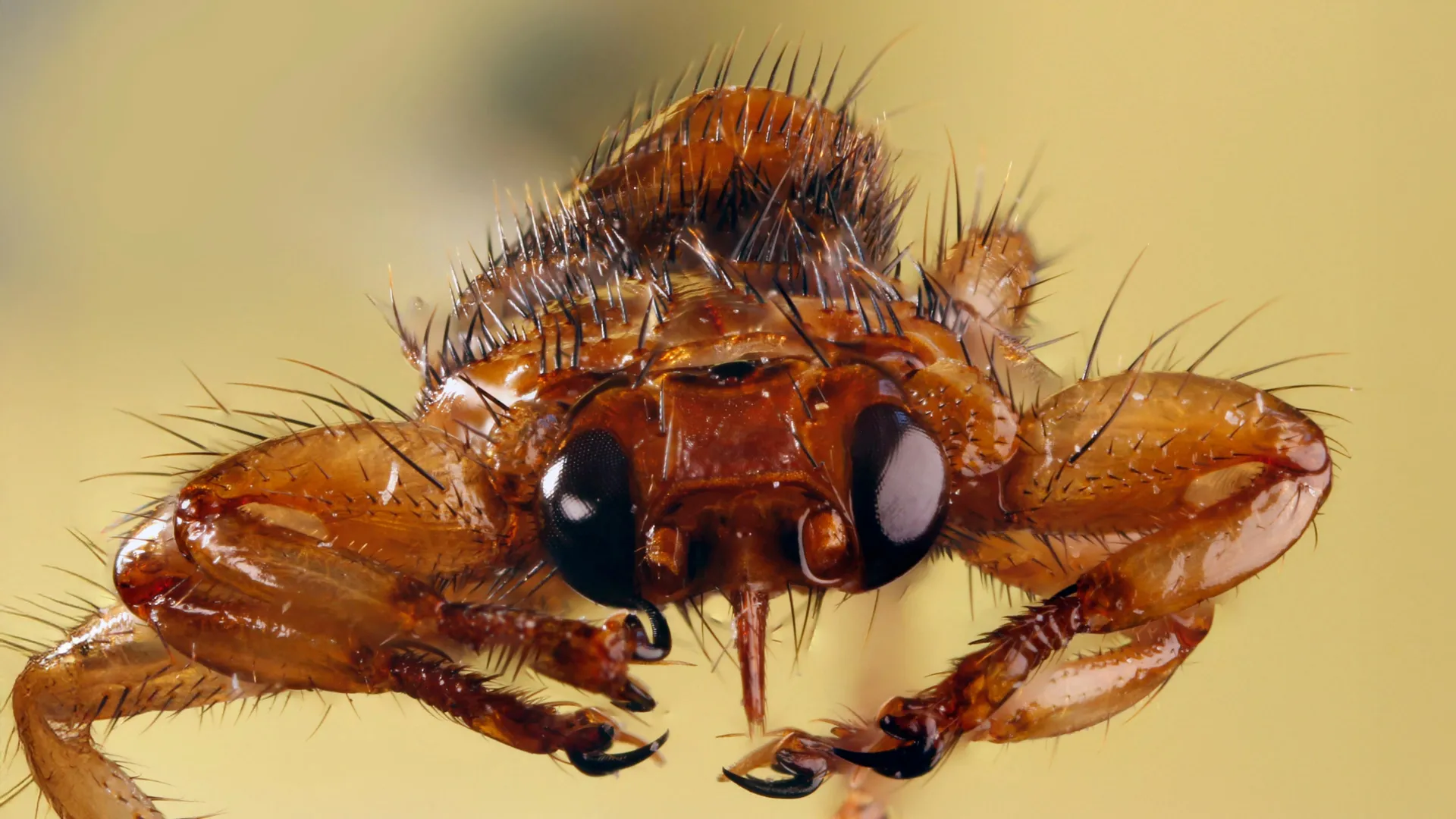
Deer keds are parasitic flies that must rely on flight and vision to find a host. However, their behavior and physiology undergo a complete transformation once they land on an animal. According to recent findings, these parasites shed their wings forever after landing, a move that marks the beginning of a sedentary phase of life. In addition to losing their ability to fly, the flies also make significant internal changes to their genetic activity.
Scientists have discovered that once a deer ked lands, it reduces the activity of key vision-related genes by about half. This reduction suggests that the insect no longer requires the same level of visual acuity once it has secured a host. The biological resources previously dedicated to maintaining sharp eyesight are apparently no longer necessary for the fly's survival in its new environment, leading to a distinct downregulation of these specific genetic pathways.
Researchers believe that this genetic reduction is a strategic adaptation. By reducing the activity of these genes, the deer ked is effectively trading sharp eyesight for extra energy. Since the fly no longer needs to navigate the environment visually or search for hosts, it can redirect that conserved energy toward other critical biological functions. Scientists conclude that the energy saved from reducing visual capabilities is instead utilized for feeding and reproduction, optimizing the fly's success as a parasite.
💬 Comments
📜 Comment Policy