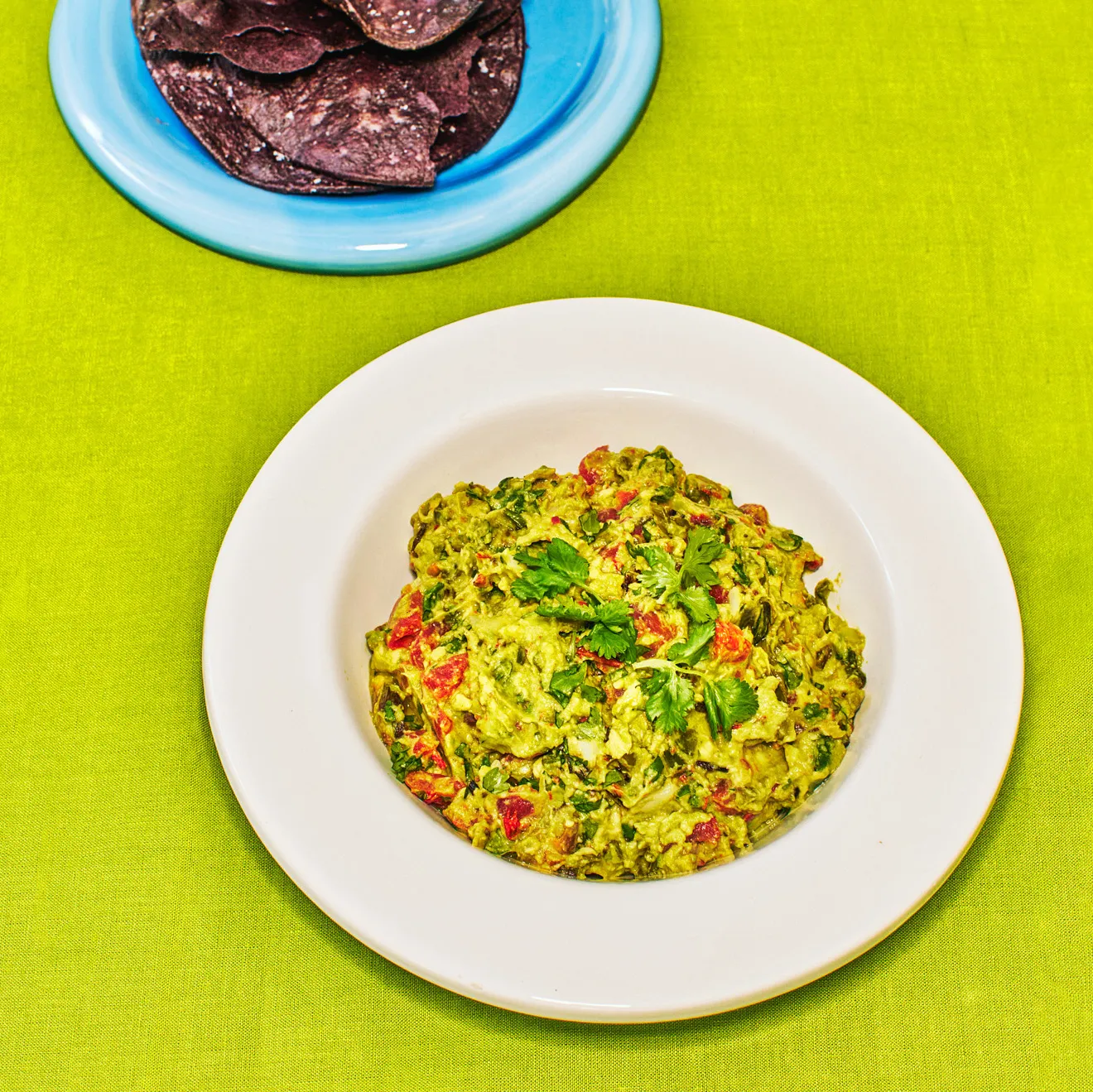
The culinary publication Bon Appétit presents a feature focused on a variation of a traditional dish in an article titled "Charred Guacamole." The text addresses the preparation method of the popular dip, proposing a specific modification to the standard approach. The central premise of the article is the application of heat to the ingredients.
The source describes this thermal addition as "a kiss of heat." This specific choice of words suggests a gentle or brief encounter with high temperatures, rather than a prolonged cooking process. By using the term "kiss," the publication implies that the heat is meant to enhance the dish without overwhelming it, likely creating a charred texture or smoky flavor profile on the surface.
In its assessment of the dish, the source draws a distinction between the standard and modified versions. The summary refers to guacamole as an "otherwise lovable dip," acknowledging its inherent appeal and widespread acceptance as a food item. This establishes a baseline of quality and enjoyment associated with the traditional recipe.
However, the article argues that the introduction of heat changes the reception of the dish fundamentally. According to Bon Appétit, the charring process transforms the dip, making it "simply irresistible." This final claim positions the heated version as superior in appeal. The transition from "lovable" to "irresistible" serves as the main argument for the technique, positioning the "kiss of heat" as the crucial element that completes the culinary experience.
💬 Comments
📜 Comment Policy