Archaeologists Study ISS and Everest for Human Adaptation Insights
Archaeologists are increasingly turning their attention and specialized research skills toward far-flung places on Earth and beyond, seeking to understand human survival in extreme environments. Recent studies have focused on unique locations such as the International Space Station and Mount Everest. These sites are being examined to determine how humans adapt in what researchers describe as "this impossible place where we have no business going."
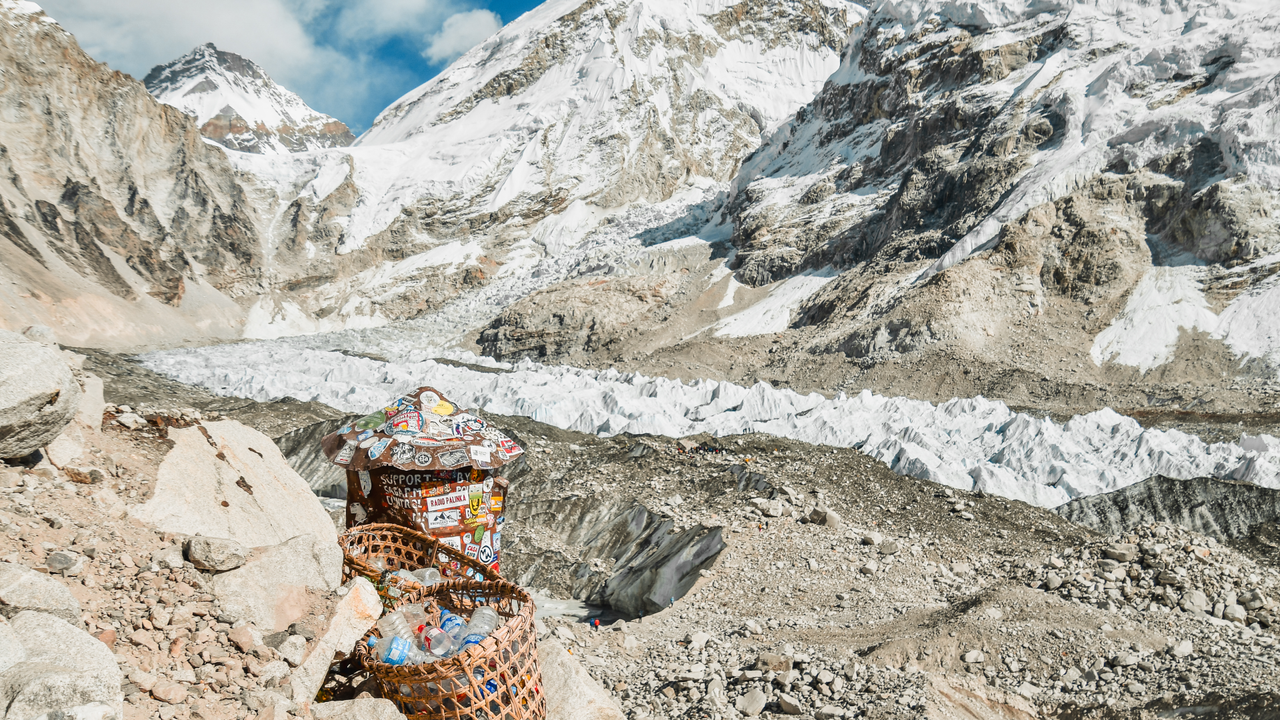
The application of archaeological methods to the International Space Station represents a notable expansion of the discipline. Researchers are looking at the ISS not just as a piece of technology, but as a habitation site where humans exist in a hostile setting. Similarly, Mount Everest serves as a comparative terrestrial environment where humans push the limits of survival.
By studying these distinct locations, archaeologists are discovering new information about the behavioral and physical adjustments humans make to endure hostile conditions. The research highlights the resilience required to maintain a human presence in environments that are naturally inhospitable. This approach provides fresh perspectives on how humans organize their lives and work in settings that challenge biological norms.
The investigations underscore a growing interest in how humans exist in places where they are essentially intruders. Whether orbiting the planet or scaling its highest peaks, the human ability to adapt is being documented through this novel archaeological lens.
💬 Comments
📜 Comment Policy